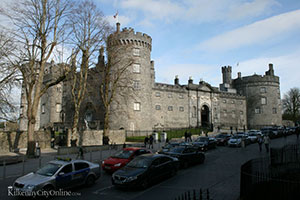
One of the most instantly recognised buildings in Ireland, Kilkenny Castle has been an important site since Strongbow constructed the first castle, probably a wooden structure, in the 12th century.
The architect who built the White House in Washington, D.C., James Hoban, was raised on the Earl of Desart’s estate in Cuffesgrange, near Callan in Co. Kilkenny.Kilkenny Castle was founded in Medieval times, but its most significant moments have been played out during more recent history. The castle was featured in Oliver Cromwell's re-conquest of Ireland in 1650; and was besieged during the Irish Civil War in 1922.
Collectively, Kilkenny people are known as 'The Cats', most specifically in the arena of hurling
As of 2011, Kilkenny had played a total of 371 championship games, winning 265, drawing 16 and losing 90. They had played Dublin the most times(82) .
On learning that Bishop Kearney was buried in a tomb within St Canice’s Cathedral;
“I have to admit it was very exciting and it was great to finally prove conclusively that Barack Obama’s sixth generation grand uncle was the Bishop of Ossory who died in Kilkenny city at the Bishop’s Palace in 1813. It is now the headquarters of the Heritage Council."
Kilkenny Castle has soared past some incredible competition to take the title of the most popular paid visitor attraction managed by the Office of Public Works (OPW) in Ireland.
AKA is a voluntary run arts festival that showcases the hard work and talent of independent artists and community groups across Kilkenny county and city.