Iconic film producer and animation innovator Walt Disney has Kilkenny roots. His great-grandfather Arundel Elias Disney emigrated from Gowran, County Kilkenny, in the 19th century.
The last witch in Ireland, reputedly Dame Alice Kyteler, was born in Kilkenny in 1280. Widowed four times, she was accused of poisoning all of her husbands. Although her former home was burned down, you can now dine at Kyteler’s Inn on the site of the house
The annals tell of a terrible massacre which took place in Dunmore Caves, with 1000 people killed by attacking Vikings in 928AD. Over the years there have been numerous finds of human bones, which together with finding of the Viking artifacts, seem to bear out that terrible tale.
Kilkenny's most one sided All-Ireland finals win was in 2008 when they beat Waterford by 23 points with a scoreline of Kilkenny 3-30 to 1-13 Waterford
The population of County Kilkenny is 95,419 according to the 2011 census ... plus an undisclosed number of Kilkenny cats.
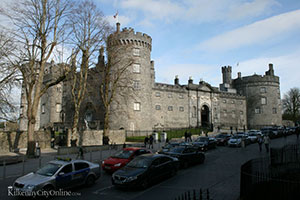
In 1922, the Butler family - namely Lord and Lady Ossory - were residents of the castle. The Irish Civil war, raged around them. Lord Ossory memorably wrote that he was woken at the "unreasonable hour of 5.30am" by his butler, who brought the news that Republican forces had seized and occupied his castle.
Kilkenny Castle has soared past some incredible competition to take the title of the most popular paid visitor attraction managed by the Office of Public Works (OPW) in Ireland.
AKA is a voluntary run arts festival that showcases the hard work and talent of independent artists and community groups across Kilkenny county and city.