Collectively, Kilkenny people are known as 'The Cats', most specifically in the arena of hurling
The architect who built the White House in Washington, D.C., James Hoban, was raised on the Earl of Desart’s estate in Cuffesgrange, near Callan in Co. Kilkenny.
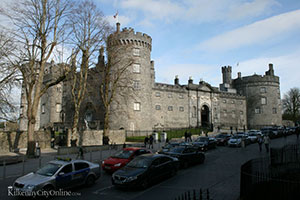
Nowadays, Kilkenny Castle is effectively three-sided. One of the four walls - and one of the great round drum towers - has disappeared over time.
Where did it go? Well, the Eastern wall and the North-Eastern tower were blown up during the 1650 Cromwellian siege of Ireland.
The Butler family handed Kilkenny Castle over to the people of Kilkenny in 1967 – for £50!
St Canice's Cathedral, also known as Kilkenny Cathedral, present building dates from the 13th century and is the second longest cathedral in Ireland. The Cathedral is named after Saint Canice, who also gave his name to the city.
Gulliver's Travels author, Jonathan Swift, attended Kilkenny College in the late 17th century, and a building at the college was named after him in 2007. Swift's fellow students included playwright William Congreve and the philosopher George Berkeley – after whom California’s Berkeley College is named.
Kilkenny Castle has soared past some incredible competition to take the title of the most popular paid visitor attraction managed by the Office of Public Works (OPW) in Ireland.
AKA is a voluntary run arts festival that showcases the hard work and talent of independent artists and community groups across Kilkenny county and city.