The gravestone of Daniel O’Connell in Glasnevin Cemetery, Dublin is made from Kilkenny black marble, and the stone was also used in the construction of Cobh Cathedral in Cork
Collectively, Kilkenny people are known as 'The Cats', most specifically in the arena of hurling
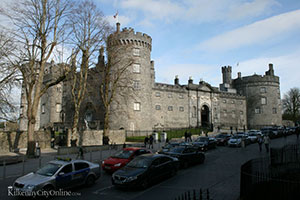
In 1922, the Butler family - namely Lord and Lady Ossory - were residents of the castle. The Irish Civil war, raged around them. Lord Ossory memorably wrote that he was woken at the "unreasonable hour of 5.30am" by his butler, who brought the news that Republican forces had seized and occupied his castle.
Gulliver's Travels author, Jonathan Swift, attended Kilkenny College in the late 17th century, and a building at the college was named after him in 2007. Swift's fellow students included playwright William Congreve and the philosopher George Berkeley – after whom California’s Berkeley College is named.
Iconic film producer and animation innovator Walt Disney has Kilkenny roots. His great-grandfather Arundel Elias Disney emigrated from Gowran, County Kilkenny, in the 19th century.
Kilkenny's most one sided All-Ireland finals win was in 2008 when they beat Waterford by 23 points with a scoreline of Kilkenny 3-30 to 1-13 Waterford
Kilkenny Castle has soared past some incredible competition to take the title of the most popular paid visitor attraction managed by the Office of Public Works (OPW) in Ireland.
AKA is a voluntary run arts festival that showcases the hard work and talent of independent artists and community groups across Kilkenny county and city.